Episode #104 Knowledge Is Not Enough

Do you ever feel anxious about client meetings? Do you worry about being asked a question you don’t know how to answer? Does your stress and anxiety come from a fear of not knowing enough?

Many of you are placing too much importance on what you know. Or more typically, on what you think you know or don’t know. In this episode, I talk about why knowledge is important but, if you suffer from Imposter Syndrome, why it will never be enough.

You’ll hear the story of my client who claims to know he is a good lawyer, but whose thoughts and actions show that he doesn’t actually believe it. This is one of the Hidden Signs of Imposter Syndrome (no.56 – knowing but not believing) which may be causing you to overthink and overwork and could be stopping you from getting the recognition you deserve.


Choose Your Pathway

Be The First 1:1 Coaching

For Black law firm partners and senior leaders ready for bespoke, high-level strategic support.

Be The First Group Coaching

For mid to senior Black lawyers preparing for partnership and leadership.

Be The First Membership

For Black legal professionals at any stage addressing Imposter Syndrome and building the confidence to succeed at every level.

Ready to Apply This to Your Career?

Book a free 30-minute call and let’s talk about where you are in your career, what’s holding you back, and which programme is the right fit for you.

A focused, strategic conversation about your progression and what’s possible next.

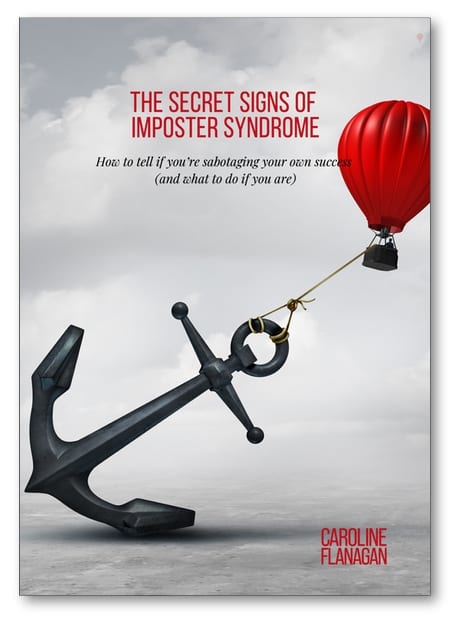
Free guide: The Secret Signs of Imposter Syndrome Every Black Lawyer Should Know – featured at the bottom of Podcast episode pages

Free Resource

The Secret Signs of Imposter Syndrome Every Black Lawyer Should Know

Discover the 60 behaviours quietly driving your overworking, overthinking, playing small, and self-sabotage – and finally understand why before they derail your day or career.

This guide is built specifically for Black lawyers, where these behaviours aren’t just about self-doubt. They’re also survival strategies you’ve developed in spaces where you’ve had to be twice as good to get half as far.